2026 Hangzhou International Humanoid Robot Technology Exhibition Inspection Report

An inspection report on the 2nd Humanoid Robot Technology Exhibition held in Hangzhou, China. This report explains the current state of China's robot industry, the strength of its supply chain, and business opportunities for Japanese companies.
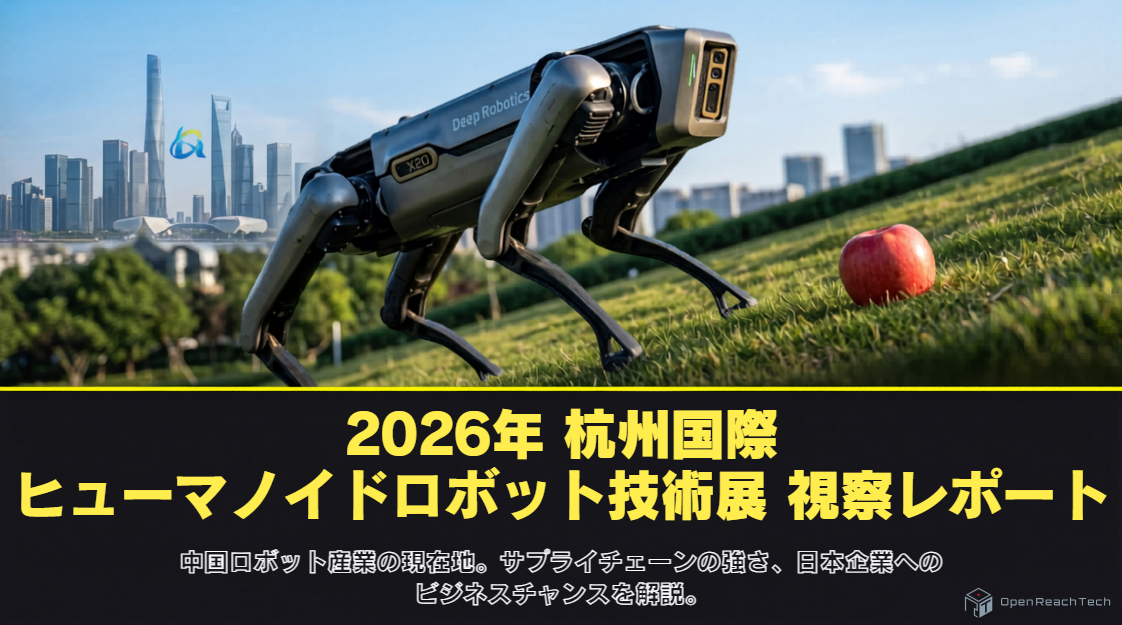
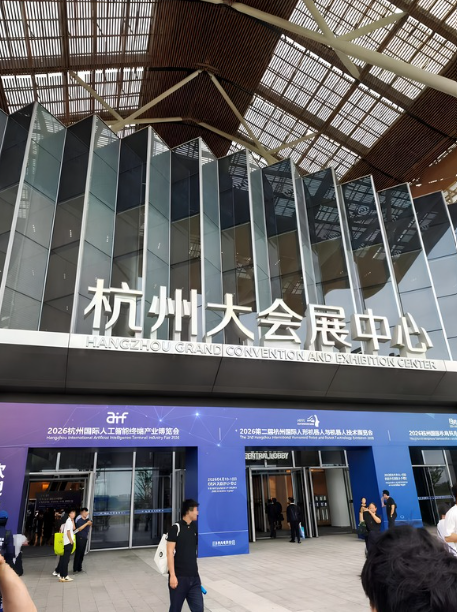
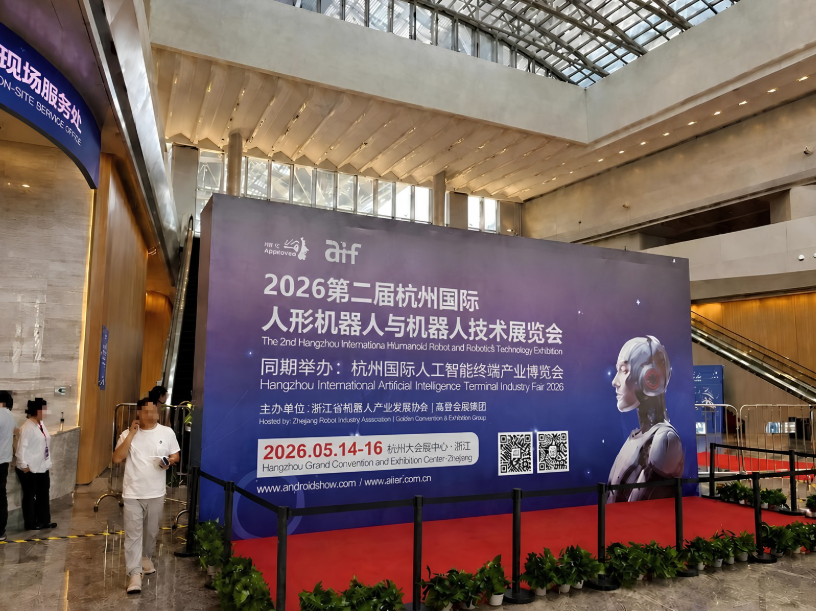
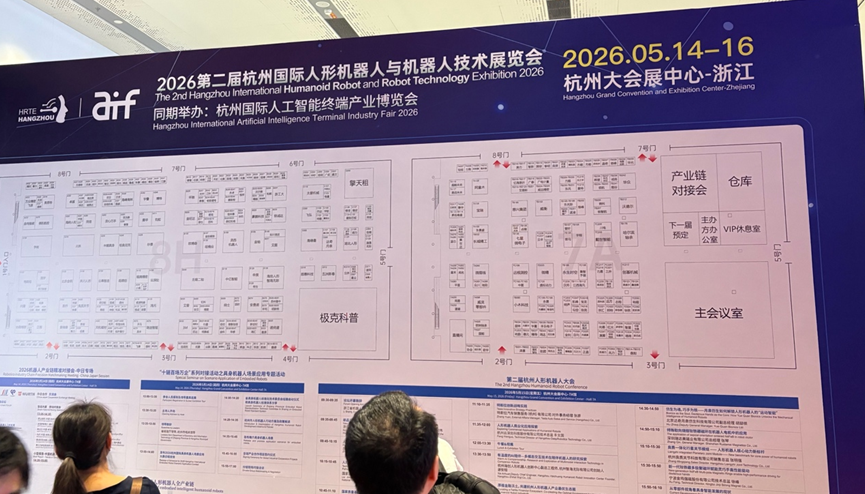
From May 14 to 16, 2026, the 2nd Hangzhou International Humanoid Robot & Robot Technology Exhibition 2026 was held at the Hangzhou Grand Exhibition Center in Hangzhou, Zhejiang Province, China. Hosted by organizations such as the Zhejiang Robot Industry Development Association and the Institute of Roboology of Zhejiang University, this event is a specialized exhibition dedicated to the robotics industry, boasting an exhibition area of over 30,000 square meters, more than 600 exhibitors, and over 90,000 professional visitors.
With the exhibition theme focused on accelerating a new type of industrialization driven by humanoid robots, a key characteristic of the event was its comprehensive coverage of the entire industrial chain. This ranged from the robot bodies themselves to Embodied AI, core components, control systems, and application solutions. Rather than being a mere showcase of technology, the content was heavily focused on industrial implementation and commercialization.
I visited the site to explore the technological evolution of the Chinese robotics industry, the depth of its supply chain, its price competitiveness, and the potential business opportunities for Japanese companies.
An Exhibition Showcasing the Entire Industrial Chain
The most striking impression from this exhibition was that robots were not just displayed as finished products, but integrated alongside the underlying components, controls, sensors, and manufacturing equipment that support them.
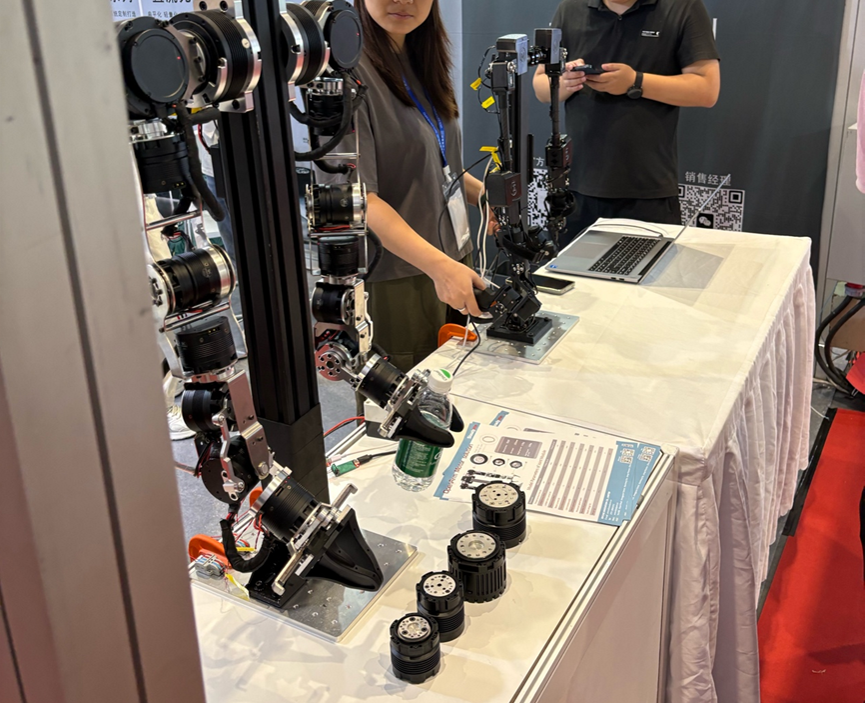
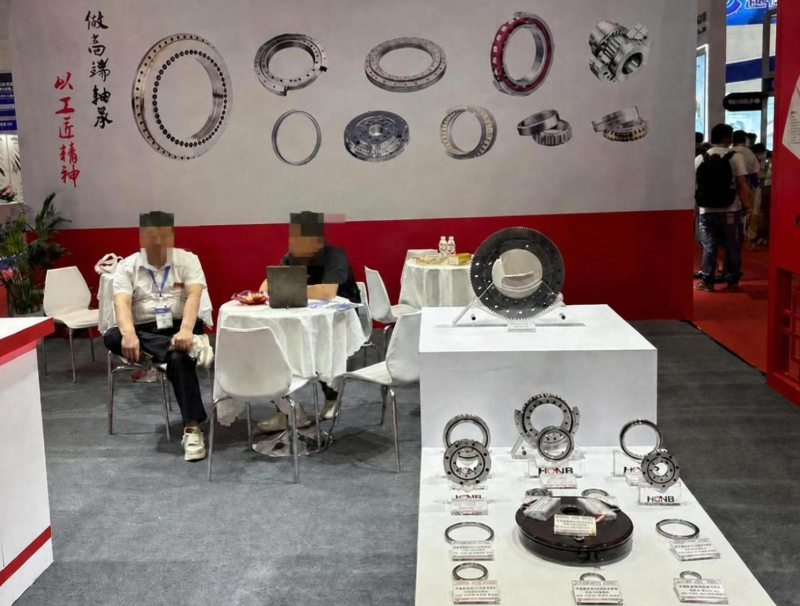
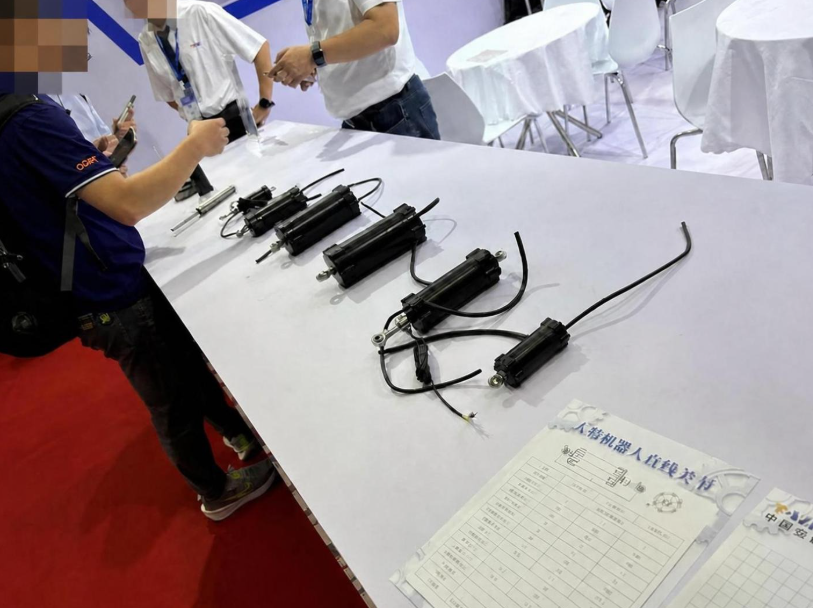
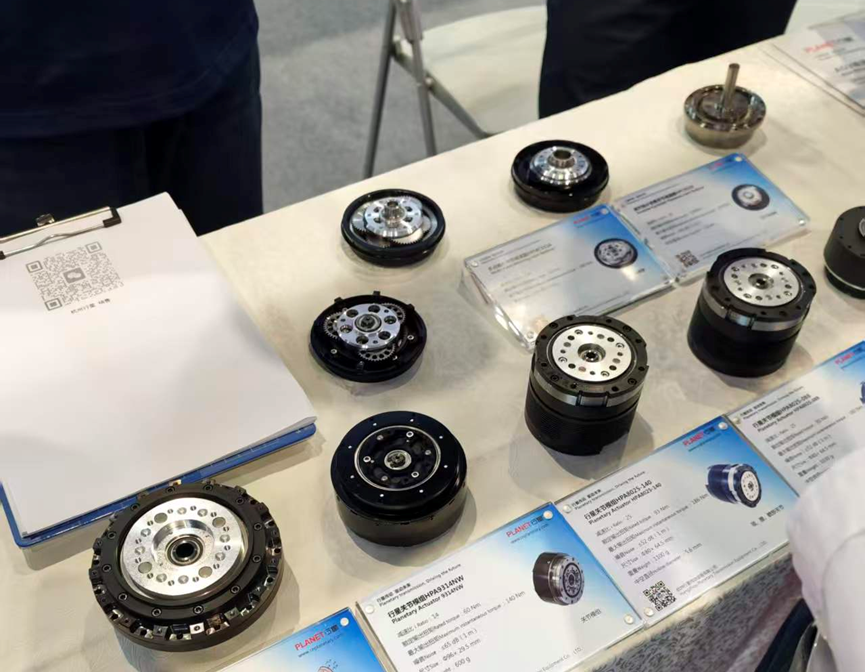
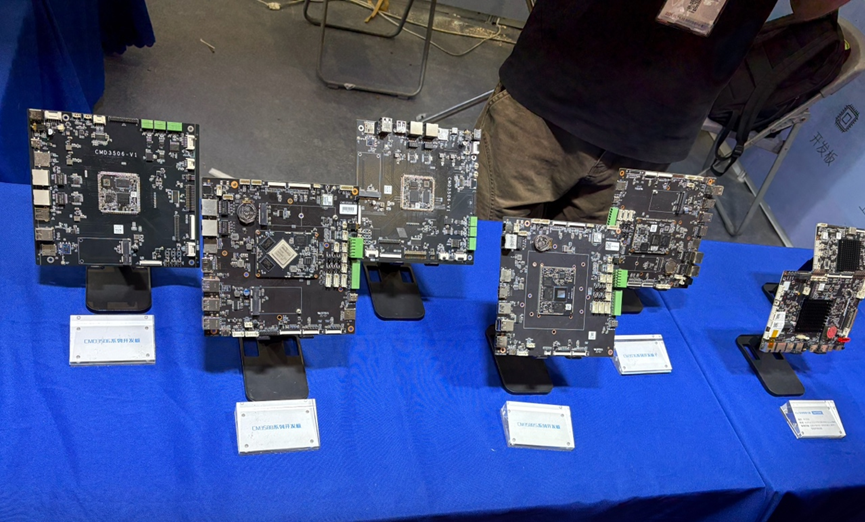
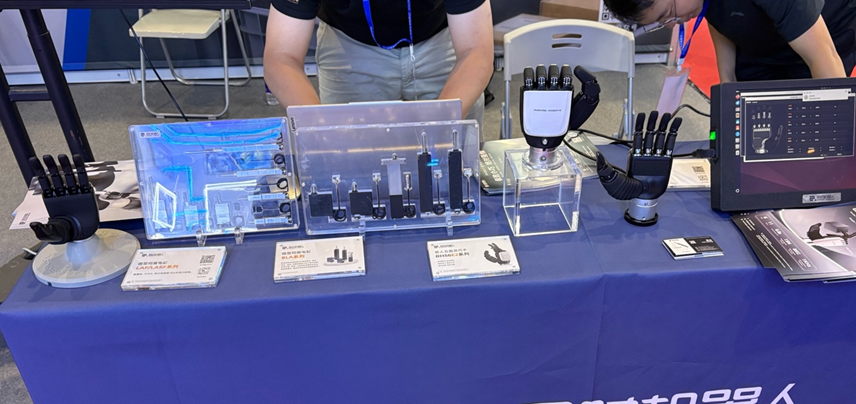
The venue featured a wide variety of products, ranging from magnets, various motors, actuators, reducers, and cross-roller bearings to 6-axis force sensors, AI edge computers, battery management systems, and even winding machines and testing platforms.
A single humanoid robot requires a massive number of components, as well as sophisticated technologies for balance control and environmental awareness. In other words, the competitiveness of the industry depends heavily on the maturity of the entire component industry, not just the technological prowess of individual companies. This exhibition clearly demonstrated that China is building a robust ecosystem—including surrounding components and mass-production support—at a remarkable speed.
Leading Robotics Companies Drawing Attention
Many of China's leading robotics companies exhibited at the venue. Companies such as Tesla, Unitree, Deep Robotics, AgiBot, and PND Robotics drew particular attention.
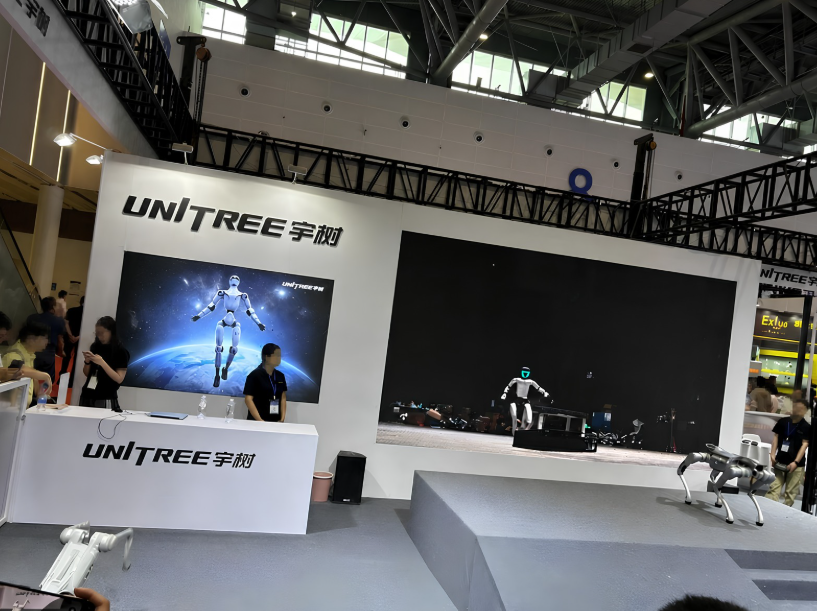
Unitree
This company is gaining global recognition for its quadruped and humanoid robots. In their exhibits, the dynamic movements of the robots, the clarity of the demonstrations, and the low price points were highly impressive. Unitree’s defining strength is its speed in commercializing and launching products into the market at an early stage, rather than just conducting research and development. I felt that bringing robots closer to being actual buyable products—rather than expensive experimental equipment confined to a lab—is a strength typical of Chinese companies.
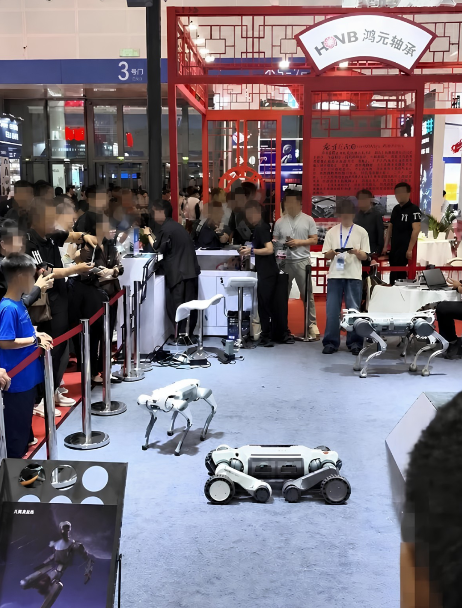
Deep Robotics
Their exhibition was highly impressive. Watching their quadruped robots navigate rough terrain and slopes stably demonstrated that their technologies for balance control, leg control, and environmental adaptation have reached a very high level. In particular, the demonstration of a quadruped robot moving stably in grassy and sloped environments showcased its clear potential for real-world applications such as patrolling, inspection, security, and disaster response sites.
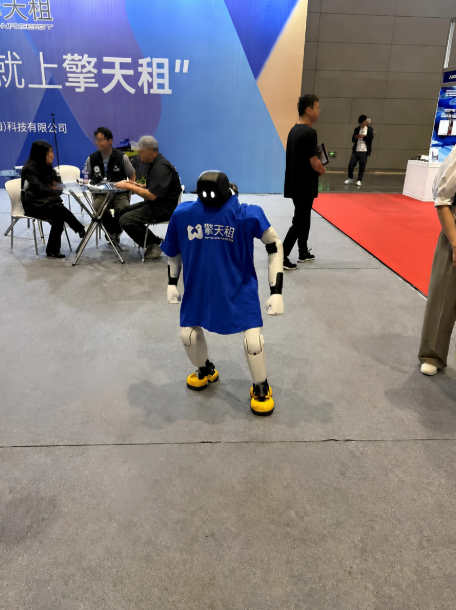
AgiBot
This company is rapidly increasing its presence in the humanoid robotics field. Humanoid robots must integrate a vast array of technologies, including not just bipedal walking, but also manipulation using hands, visual recognition, human interaction, voice response, and decision-making in complex environments. Companies like AgiBot can be seen as symbols of the commercialization of Embodied AI in China.
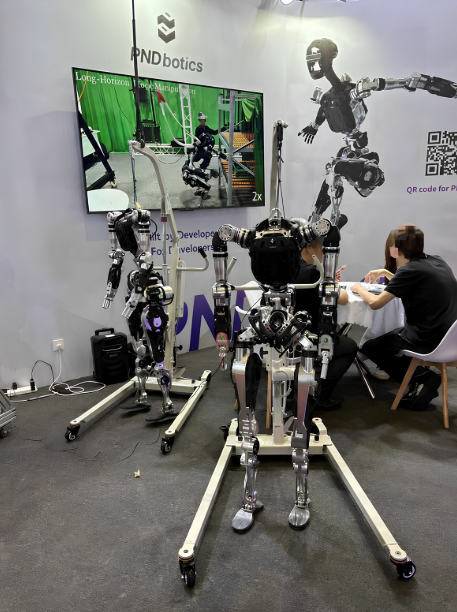
PND Robotics
The exhibition of their robot joint modules was particularly memorable. While the exterior was highly compact, the internal structure and processing precision were outstanding, giving the sense that every detail had been meticulously designed. For humanoid robots, joints are not just moving parts; they are critical core components that dictate the accuracy of walking, posture control, and arm/hand movements. PND Robotics' joint modules were designed with a clear balance of lightweight build, rigidity, output, and control precision, proving that the technical level of suppliers backing high-precision joint parts is steadily rising.
Unique Exhibits Geared Toward Practical Application
Aside from large humanoid robots and quadruped robots, this exhibition featured many unique and engaging displays.
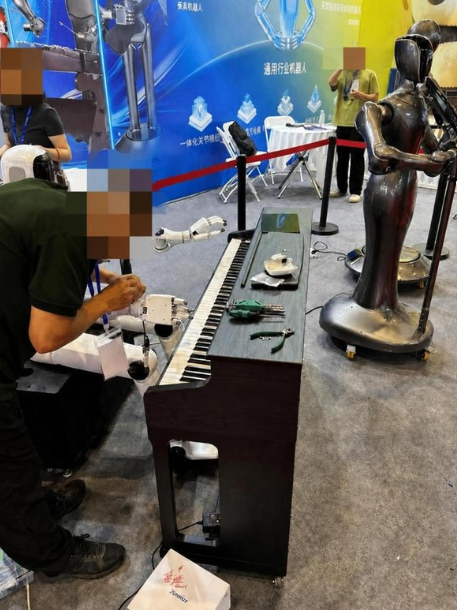
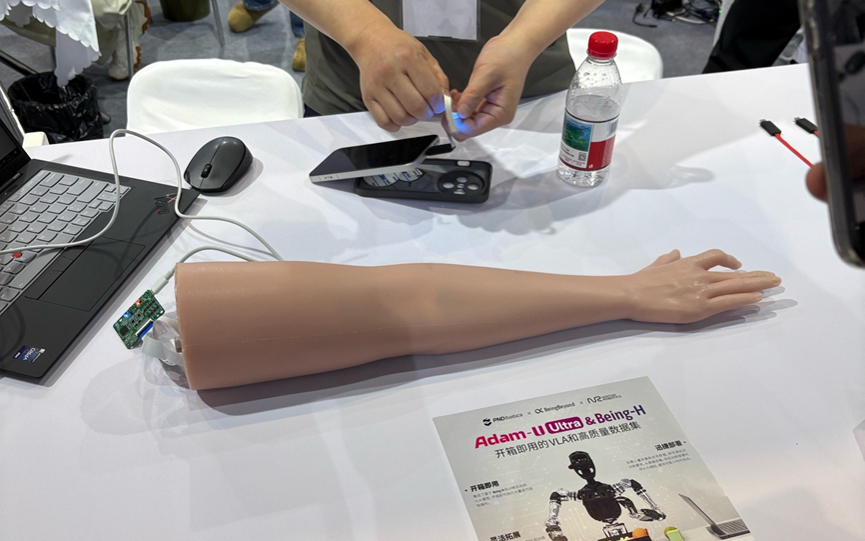
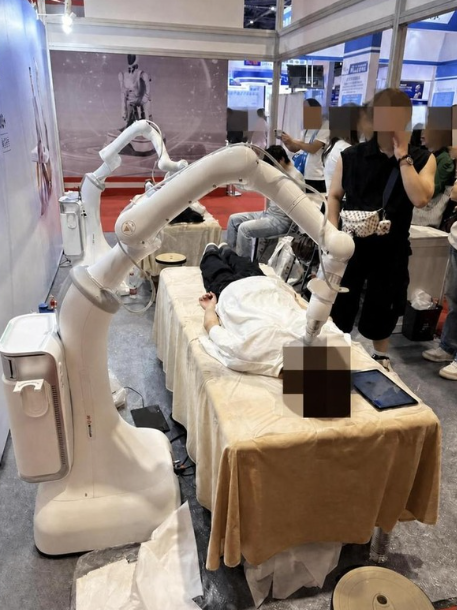
Examples included miniature robots, a robot playing the piano, demonstrations using tactile sensors, and massage robots. While these might look like highly entertainment-driven exhibits at first glance, they actually hold significant meaning when considering the future of the robotics industry.
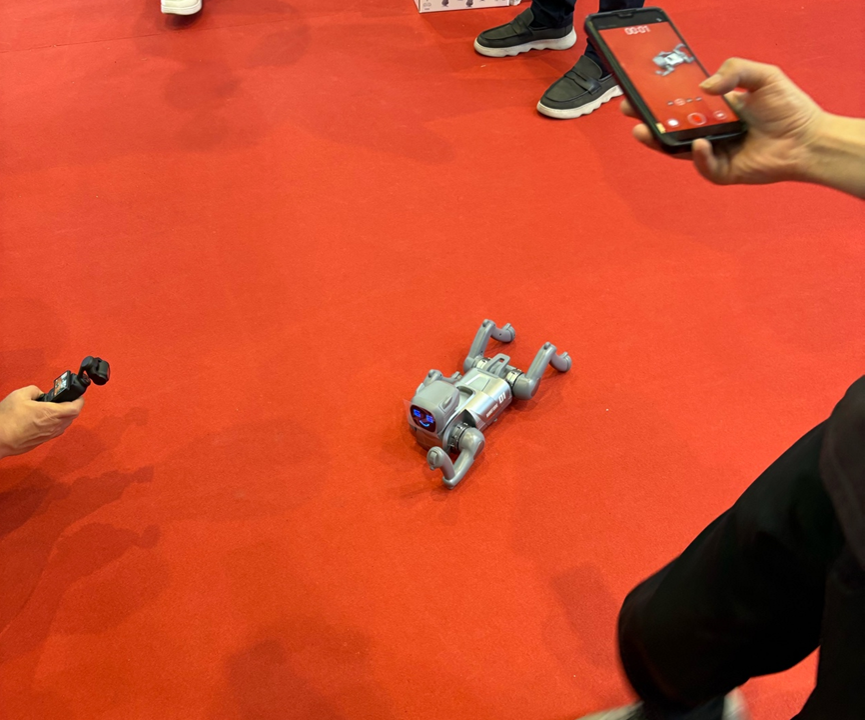
Demonstrations like the piano-playing robot showcase fingertip control, timing control, force adjustment, and motion repeatability. Actions that are natural to humans require incredibly difficult control mechanisms for a robot. In particular, dexterity in hands and fingers will be a major challenge for humanoid robots to be used in factories, homes, medical/nursing care, and the service industry in the future.
The tactile sensor exhibits were also vital. Until now, robots have perceived their environments primarily through visual information like cameras and LiDAR. However, in human living spaces and work environments, contact actions such as touching, pushing, grasping, and supporting are indispensable. Therefore, tactile technology—which detects how much force a robot is applying to an object, whether it is slipping, and whether it is soft or hard—will become increasingly crucial moving forward.
The massage robot exhibit also reflected a highly practical orientation typical of the Chinese market. Robots that directly touch humans require safety, force control, contact detection, and a smooth user experience. This technology directly links to fields like nursing care, rehabilitation, medical assistance, and personal care.
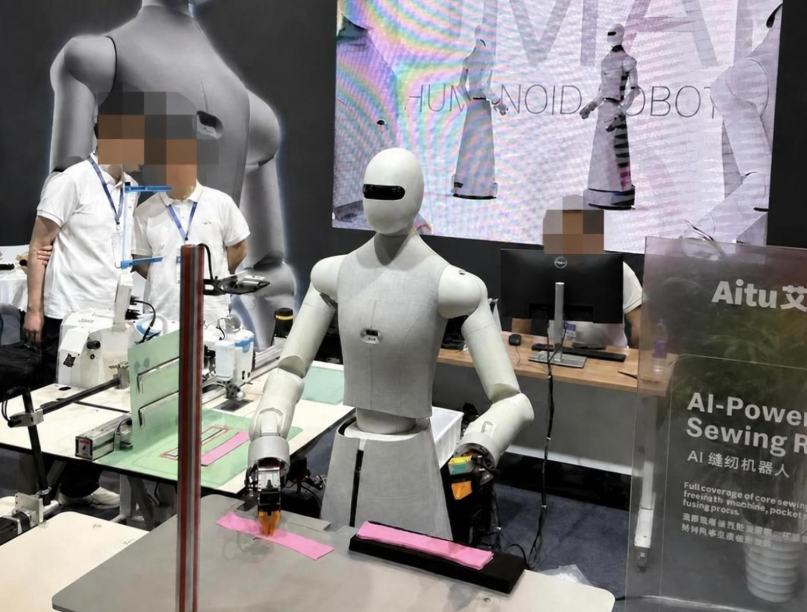
Looking at these exhibits, it is clear that China’s robotics industry is not just focusing on the grand theme of building humanoid robots, but is actively driving practical application forward through granular, functional units.
Supplier Strength and Growth Drivers of the Chinese Robotics Industry
The true strength of the Chinese robotics industry lies in the sheer depth of the supplier layer supporting finished product manufacturers.
The speed and cost of robot development depend heavily on how reliably, cheaply, and quickly the countless required parts can be procured. China has a vast number of companies offering these components, and even parts that tend to be expensive when procured in Japan were being offered at shockingly low prices.
Of course, parts cannot be adopted immediately based on price alone; actual implementation requires careful verification of quality, durability, precision, warranties, certifications, intellectual property, and contractual terms. Even so, price competitiveness and a wide array of options serve as overwhelming weapons. Especially in the early stages of development, an environment where diverse parts can be tested at a low cost dramatically accelerates development speed.
The rapid growth of China's robotics industry is not solely due to government support or capital injection. Observing the exhibition firsthand made it clear that a combination of multiple factors is at play:
- Supply Chain Proximity Robot manufacturers, component makers, and processing vendors are geographically and industrially close to each other, resulting in a rapid cycle from prototyping to improvement.
- Intense Price Competition Because numerous companies provide similar components, prices drop easily, which in turn accelerates the speed of product improvement.
- High Market Acceptance There is a strong cultural willingness to try out new technologies and products first, creating an environment where verification happens easily across various scenarios.
- Rapid Integration with AI Technology AI companies and hardware companies operate closely together, leading to rapid integration under the theme of Embodied AI.
- Fast Decision-Making Many companies are young and possess a mindset of launching a product first—even if it is not completely perfect—gathering customer feedback, and iterating immediately.
Opportunities for Japanese Companies
This Hangzhou Robot Exhibition offered many valuable insights for Japanese companies. When Japanese firms engage with the Chinese robotics industry, several strategic directions come to mind:
- Reducing Development Costs Procuring parts from Chinese suppliers to lower the development costs of their own products. Especially during prototyping or the PoC (Proof of Concept) stage, utilizing Chinese components could boost development speed.
- Application Development for the Japanese Market Collaborating with Chinese robotics companies to handle application development tailored for the Japanese market. This allows companies to combine the rapid hardware development speed of Chinese firms with Japanese insights regarding safety standards and quality requirements.
- Providing High-Quality Components and Manufacturing Technology Supplying high-quality components and manufacturing technologies owned by Japanese companies to Chinese robotics firms. In areas requiring high precision, high durability, and high reliability, Japanese technology is highly likely to be valued.
- Bridging Japanese and Chinese Companies
Acting as a bridge between Japanese and Chinese firms as a trading house, consulting firm, or technical support company. The value of talent and organizations that understand the business customs and technologies of both Japan and China is rising for tasks like technical specification verification, quality inspection, contract negotiation, and import/export procedures.
Conclusion
The strongest takeaway from inspecting this Hangzhou Robot Exhibition is that China’s robotics industry is already moving from the showcase phase into an implementation phase geared toward mass production and commercialization.
While some demonstrations are still works in progress, the maturity of the technology is rising rapidly every year. Their sense of speed—pursuing cutting-edge technology while commercializing and pushing it to market as quickly as possible—and the close proximity between technological development and commercialization offer massive learning points for Japanese companies.
As mentioned, China's robotics industry should not be viewed merely as a competitor, but as an entity that can serve as a diverse collaborative partner for component procurement, joint development, and localization for the Japanese market. Touching the products firsthand on-site, dialogue with representatives, and validating samples will undoubtedly reveal new business opportunities.
For Japanese companies interested in robotics, AI, manufacturing, and new business development, visiting a Chinese robotics exhibition is well worth the trip. I will continue to track the developments and technical trends of the Chinese robotics industry moving forward.